

CANINE RESEARCH & VETERINARY EVIDENCE
NatrixOne Research: Dog Trials, Veterinary Cases & Camelina Science
From peer-reviewed camelina research to Dr. Rich Coleman’s 100-dog veterinary practice trial and documented clinical cases, this page brings together the research and real-world evidence behind NatrixOne.
INDEPENDENT CANINE RESEARCH
Peer-Reviewed Camelina Research in Dogs
Researchers at the University of Guelph have directly studied camelina oil as a dietary fat source in adult dogs. Published work has evaluated its safety as well as skin, coat, inflammatory and oxidative measurements.
Client-owned dogs
Weeks
Plant oils compared
Randomized design
In the randomized study, dogs received camelina or other plant oils. Camelina performed comparably to the other plant oils for the measured skin, coat, inflammatory and oxidative outcomes in healthy dogs.

REAL-WORLD VETERINARY EVIDENCE
Dr. Rich Coleman’s 100-Dog Practice Trial
In the summer of 2018, a Cincinnati-area veterinary hospital participated in a six-week trial involving 100 dogs.
Owners were given an unidentified and unlabeled plant-based fatty-acid supplement and recorded observations throughout the six-week period.
Fifty dogs were enrolled because of skin or allergy-related concerns, while another 50 had joint or mobility concerns. The dogs represented a range of breeds, ages and sizes.
Rich Coleman, D.V.M.
NATRIXONE RESULTS AT A GLANCE
Benefits in Numbers
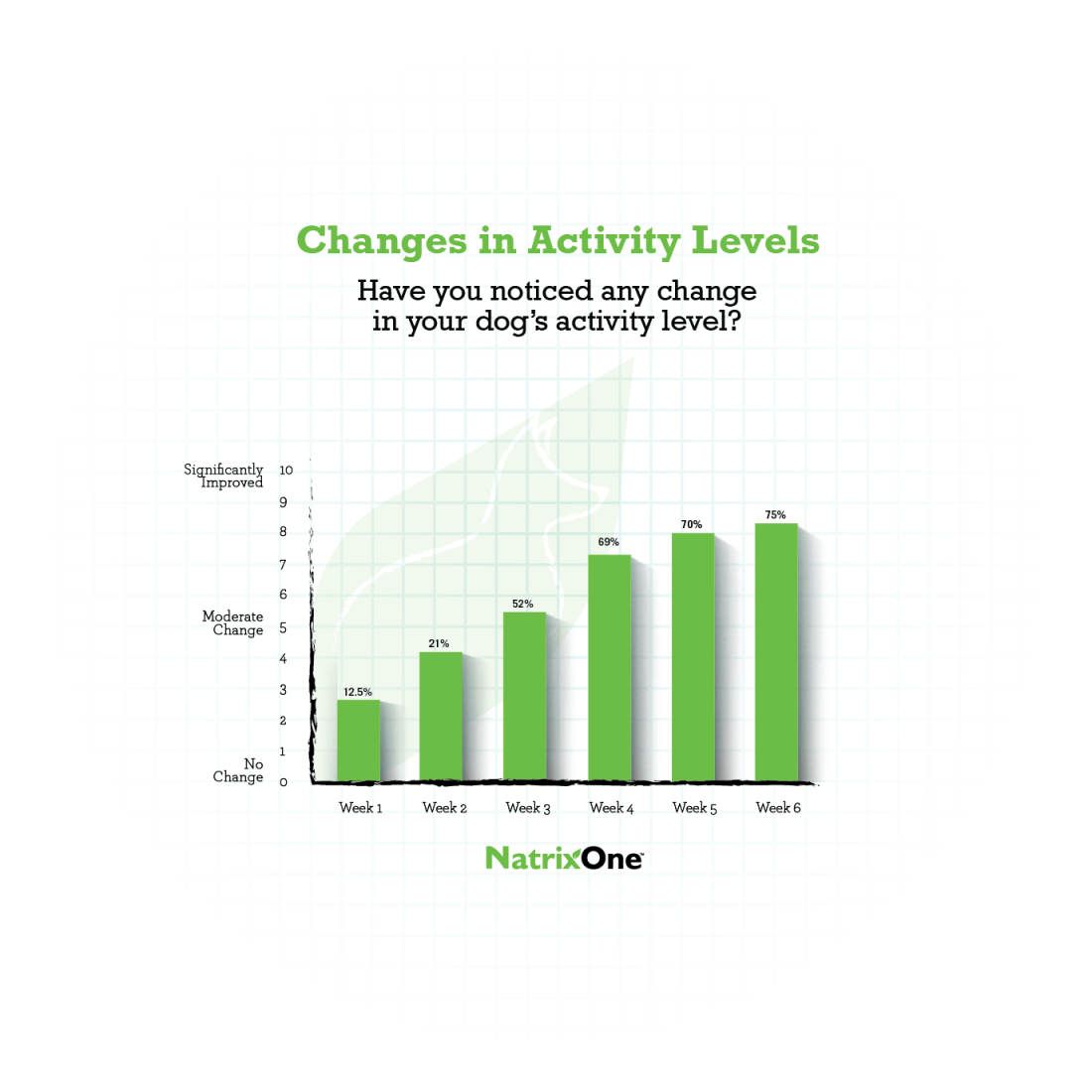
One hundred dog owners were asked whether they noticed positive changes during six weeks of adding the unidentified supplement to their dogs’ food.
These percentages reflect owner-reported observations from the 2018 veterinary practice trial.
ORIGINAL STUDY MATERIALS
Original 100-Dog Trial Charts
These charts are part of the original NatrixOne practice-trial materials and are preserved here as part of the historical study record.

BEYOND THE NUMBERS
Real Dogs. Real-World Follow-Up.
Controlled research tells one part of the story. Veterinary records, diagnostic imaging, physical exams and long-term observations provide another view of how individual dogs are doing over time.
Four Paws Animal Hospital documented cases involving dogs with significant dermatologic and orthopedic diagnoses.

CLINICAL CONTEXT
Veterinary Case Studies From Four Paws
These documented cases provide clinical history, diagnostic findings and follow-up from dogs treated through Four Paws Animal Hospital.

Jett
Jett, a Labradoodle, was evaluated for chronic scaling, itching and hair loss. Histopathology supported a diagnosis of sebaceous adenitis.
His treatment included medicated shampoo, vitamin A and NatrixOne. Follow-up documented less itching and scaling along with substantial hair regrowth.

Indie
Indie, a young Rottweiler mix, presented with severe forelimb pain, reduced range of motion and lameness.
Radiographs documented angular limb deformity, humeroulnar subluxation and degenerative joint disease. He later participated in the six-week supplement trial.
THE ORIGINAL TRIAL STORY
Hear From Dr. Rich
Dr. Rich Coleman explains why he became involved with NatrixOne and provides additional context around the original 100-dog veterinary practice trial.

FROM SEED TO SYSTEM
Why Camelina Is at the Center of NatrixOne
Camelina provides a plant-based source of omega fatty acids and has been directly studied as a dietary oil in dogs.
That connects NatrixOne’s ingredient story with independent canine nutritional research and a broader focus on plant-based nutrition.
FROM RESEARCH TO THE BOWL
A Simple Plant-Based Addition to Daily Nutrition
NatrixOne combines camelina oil with olive-derived ingredients in a daily nutritional supplement designed to be added directly to a dog’s regular food.
Its research story spans university canine nutrition studies, veterinary practice observations and documented individual cases.
From Research to Their Bowl
Cold-pressed camelina oil, plant-based omega nutrition and evidence you can explore for yourself.