New Years Resolutions for Dogs

Make 2022 a Great one for your Dog It’s a New Year for your dog!!! We all make our New Year’s resolutions.  Lose weight, be more active, eat better….we have all been there.  Well why don’t we do that for your dogs?  2022 is the year to get your dog in a better place health-wise. Let’s … Read more

Anti-Aging Remedies for Dogs

NatrixOne Canine Anti Aging

Anti-Aging Remedies for Dogs

NatrixOne Canine Anti Aging

The Effects of Aging in Dogs

Most canines lose show signs of decreasing Metabolism in their seventh year of life, resulting in lower activity levels and reducing caloric intake by as much as 40%. Cells begin dying off at a faster rate than they can regenerate, decreasing body temperature and providing an easier breeding environment for bacteria. The slow loss of muscle mass puts further strain on their cardiovascular system as an aging dog’s heart grows heavier and decreases inefficiency. This can lower oxygen levels in the blood causing anoxia and early senility.

Wear and tear on digestive systems is also a large cause of Canine aging as the teeth wear away and salivatory responses decrease. The production of digestion secretions slowly declines, preventing the absorption of proper nutrition and easy passage of fecal matter. Insulin and blood levels are lower, further hindering digestion and proper breakdown of nutrition. As your older dogs systems slowly deteriorate, they may lose their once acute sense of smell, sight, and hearing causing them to behave more irritably. Bones begin to lose density, hair their thick barrier against infection, and white blood cells their ability to fight off viruses. It is the collective degeneration of these systems that result in the eventual loss of life.

We all want our four-pawed best friends to live forever.  I often get asked what the life expectancy of a particular breed is.  I hate this question, because there are so many different factors that go into aging and lifespan.  It is especially hard when the pet is older and close to that number, and that little guy is running around my office like a 3 year old.  In this blog post, we will discuss what aging is and what we can do to increase the life expectancy of our beloved dogs.  So, here is the chart that no one wants to see.

life-expectancy-breed

What Causes your Dog to Age?

Well cellular aging is just a fact of life, the body is not designed to last forever.  Aging is the physiological changes a dog experiences during its lifespan.  Cells replicate and die, they are damaged by external factors, and some just lose their function.  Many theories exist about why we age, but most will say that it is a multitude of factors and not just one thing that causes aging.  Let’s talk about a few:

Free-Radical Oxidation (Environmental Factors): Reactive free radicals in the environment have been shown to damage cell DNA, contributing to health problems in animals. Antioxidant nutrients include Vitamin A, B, C, E, Beta carotene,  bioflavonoids, selenium, zinc, copper, magnesium, and iron.

Genetics: Life expectancy is pre-programed based on the genetics from the parents. Providing cells with building blocks such as Omegas found in NatrixOne can more easily reverse the damage caused by accelerated aging.

Wear and tear: All machines wear down over time, and the more that you use that machine, the faster this occurs.  But, this doesn’t take into account the body’s ability to repair itself. One day, Canine hip and joint replacements may become commonplace surgeries as we learn to extend our parts in new inorganic ways.

Neuroendocrine Failure (Nutrition): keeping the body in optimal condition with diet is important, overweight dogs have more issues than healthy body conditions.  Just like people, a quality diet is providing the body with the proper fuels it needs to perform in the optimal way

These are just a few of the theories that cause aging.  So what can I do to help my buddy live a longer life?

Habbits to Keep Your Dog Young and Healthy

  1. Weekly Home Checkup: Coat, Skin, Eyes, Nose, Ears, Mouth, Feet, Limbs, Back, Weight, Respiration, and Temperature. Keep their water and food bowls clean daily and If necessary, keep a log.
  2. Behavior Training & Stimulus: Teaching obedience to your dog is good for his health, hygiene, and psychology. From housetraining to positive reinforcement, bonding with your dog will help with his overall happiness.
  3. Hygenic Practices: regular grooming and dental care reduce the stress placed on the immune system in warding off harmful bacteria. A weekly brushing, nail trimming, and ear inspection, as well as daily teeth cleaning, are all good practices to adopt.
  4. Diet & Nutrition: receiving essential nutrients is critical to replacing damaged and dying cells. Keeping your Canine hydrated with clean water will keep the health of his internal organs, flush out toxins, and contribute to longevity. Providing a dietary supplement such as NatrixOne to help boost your Canine’s immune system will greatly improve his chance of fighting off bacteria and diseases.
  5. Remove Environmental Risk: removing as many toxins as possible from food and living environment will help with longevity. Providing a dog house and safe yard conditions from other dogs or wild animals will reduce the risk of serious injury. Reduce stress in your canine’s world to create less fatigue and inflammatory responses.
  6. Exercise your Canine: promote strong bones, muscle, and cardiovascular growth which help create a more efficient bodily repair process. Fetching, walking, hiking, swimming, herding, pulling, or agility competitions are all great forms of canine recreation.
  7. Regular Veterinarian Screenings: Consulting routinely with a certified animal practitioner will contribute positively to your dog’s longevity. Seeing a vet once a year is recommended. A good vet will be your dog’s health detective and adept at providing a proper examination.  Keeping your dog on a regular worming and vaccination schedule will greatly reduce his risk of contracting a disease from another dog, bug, or wild animal.

Dogs are living longer with each passing year.  Better foods, better veterinary care, and the increase in the human/animal bond over the last 100 years has allowed our dogs to live their best lives.  Continue to love them everyday, provide good nutrition for them into their old age, listen to your veterinarian, and give them a supplement like NatrixOne to help them live as long as they can.

Dr. Rich

What Our Happy Customers Think about NatrixOne

5 out of 5 stars based on 100+ customer reviews

About the Author

Rich Coleman
Dr. Rich Coleman grew up in Fairfield, Ohio and began his journey into veterinary medicine as a kennel attendant at the age of 15. He completed his undergraduate studies at the University of Cincinnati before graduating from The Ohio State University College of Veterinary Medicine in 2002. Dr. Rich took over Plum Veterinary Clinic in December 2006, changed the name to Four Paws Animal Hospital in 2007, built a new facility in 2012 and began a remodel in March 2019 to allow for more growth and opportunities for our community. Dr. Rich Coleman is the Chief Veterinary Officer for NatrixOne™ and completed our 100 dog study in 2018. After seeing results firsthand, he joined the NatrixOne team!

How to Get Rid of Dog Fleas

Itchy Dog

The best way to get rid of fleas, is to prevent your pet from getting them. If you’re not keen on using the traditional chemical flea remedies or preventatives, there are some natural solutions that may provide your pet with some relief. DIY Flea Spray A mixture of apple cider vinegar diluted 1:1 or 1:3, … Read more

Alternative Medical Practices for Canines

Canine Acupuncture

Why Should I Use Alternative Medical Practices with my Dog? Bodies are capable of healing themselves given the proper elements and nutrition. Alternative medicine, therefore, is one of the more affordable ways to practice good Canine health. The bedrock of this starts with proper nutrition but also includes the psychological state of the animal, immune … Read more

Dog Health Certificate for Travel

How to Certify Your Dog for Safe Travel At NatrixOne, we take canine health seriously. Proper diet is nature’s best medicine, and an ounce of prevention can ensure healthy travels down the road with your pet. We have outlined steps you can take to meet travel restrictions for your dog when seeking out greener pastures. … Read more

How to Prevent Hip Dysplasia and Joint Disease in your Dog

How to Prevent Hip Dysplasia and Joint Disease in your Dog

What are Dog Joint Disorders?

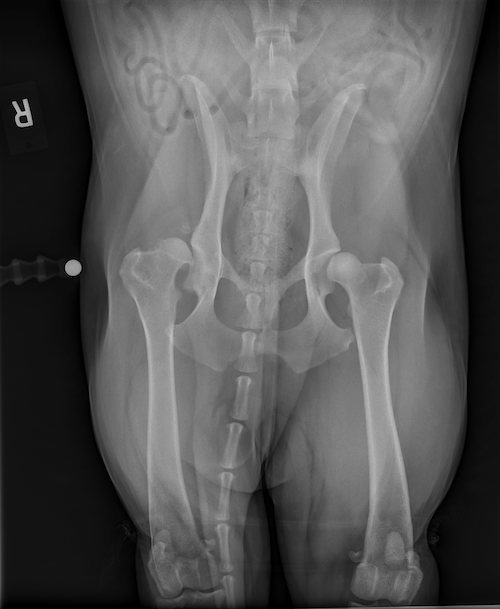
Joint Disorders are the most common orthopedic conditions diagnosed in dogs, with canine hip dysplasia being the most common of these. Hip Dysplasia is a disease where the hip sock and the head of the femur are malformed and cause rubbing and grinding pain.  There are multiple causes that lead to the malformation in the hip, they can range from environmental to genetic. A dog can be born predisposed to this condition from the genetics that they get from their parents. They can also have environmental aspects of their life that lead to them developing this painful condition, such as obesity.  

Large breed dogs are more predisposed to joint deterioration and Hip Dysplasia. They can show signs very early in life or as they age. The most common breeds affected by this painful process are German Shepherd Dogs, Labrador Retrievers, Golden Retrievers, and giant breeds like Great Danes and Saint Bernards. In severe cases, the malformation of the hip can cause pain as early as 4 months old.  Most animals develop pain later in life as the deterioration of the joint leads to osteoarthritis, pain, and inflammation in the hip. 

Dog Hip Dysplasia
Dog Hip Dysplasia

What are the Sysptoms of Dog Joint Disorders?

Symptoms of joint disorders and hip dysplasia can vary depending on different factors that are individual to each dog.  They include: 

  • How loose of a connection there is between the hip joint and femur bone
  • How long has this process be causing issues for your dog
  • How much inflammation and boney changes in the hip joint

You may see different symptoms in your dog:

  • Bunny hopping
  • Reluctance to jump on the couch, in the car
  • Reluctance to climb stairs
  • Slow to Rise
  • Not wanting to get up and play
  • Narrowing of the distance between the back legs
  • Grinding of the joint
  • Crying in pain when rising or walking/running
  • Muscle loss in the back legs

Degenerative Myelopathy in Larger Breeds

Over the last 14 years, I have had the privilege to care for and treat over 30 canine police officers at my practice.  These amazing animals are true athletes.  They train multiple days a week and are on the road the rest of the time doing article searches, tracking lost people, tracking violent offenders and protecting their handlers and other officers.  These beautiful animals do this for nothing more than a bowl of food and their favorite toy.

These dogs train like Olympic athletes and endure a lifetime of wear and tear on their bodies that most people don’t realize.  Almost all of my canine officers are on NatrixOne for multiple reasons.  It helps muscle recovery, it is a great anti-inflammatory for those joints and ligaments, and it helps keep their coats thick and lust and decrease their risk of skin diseases.  I have all of my retired canines on NatrixOne to help with the pains that come with a life-time of service.  A lot of our canine officers are German Shepherd dogs and we also use the NatrixOne to decrease the chances they develop Degenerative Myelopathy, a debilitating neurological condition in GSDs.

I trust NatrixOne with these expensive and valuable members of society to keep them healthy and pain-free while helping the environment!

How are Joint Disorders diagnosed?

Most Dog Joint Disorders are discovered by owners and brought to the attention of the veterinarian.  The above symptoms are concerning to an owner at a young or older age and usually become more severe as the pet ages.  Most degenerative joint conditions can be suspected with just a simple physical exam. During the exam, the dog may be put through a range of motion test and the vet will move the hips around.  A definitive diagnosis requires an x-ray of the injured area. This process is sometimes very hard on an awake dog, especially if the pet is very painful. The veterinarian may recommend sedation to help the comfort level of your pet and to be able to get the appropriate view for the diagnosis.

Dog Hip Dysplasia

What are Treatment options for Dog Joint Disorders?

Depending on the level of pain, there are multiple modes of treatment for a dogs with joint disorders or Hip Dysplasia.  They can range from simple weight loss to long-term pain management, and in some cases surgical intervention.  In the last 20 years, Non-steroidal Anti-inflammatory Drugs (NSAIDs) have become very prevalent and multiple medications are currently available and come in a variety of forms.  These medications can have side effects and should only be used under the direct supervision of a veterinarian.

Recently, supplements and all-natural options of all kinds have hit the canine market.  Some of those include Omega fatty acid products (such as the plant-based NatrixOne), glucosamine products, laser therapy treatments, and stem cell therapy.  Please contact your veterinarian to discuss the potential of a hip disorder in your dog and what they recommend for the treatment of Joint Disorders.

What Our Happy Customers Think about NatrixOne

5 out of 5 stars based on 100+ customer reviews

About the Author

Rich Coleman
Dr. Rich Coleman grew up in Fairfield, Ohio and began his journey into veterinary medicine as a kennel attendant at the age of 15. He completed his undergraduate studies at the University of Cincinnati before graduating from The Ohio State University College of Veterinary Medicine in 2002. Dr. Rich took over Plum Veterinary Clinic in December 2006, changed the name to Four Paws Animal Hospital in 2007, built a new facility in 2012 and began a remodel in March 2019 to allow for more growth and opportunities for our community. Dr. Rich Coleman is the Chief Veterinary Officer for NatrixOne™ and completed our 100 dog study in 2018. After seeing results firsthand, he joined the NatrixOne team!

How NatrixOne Puppy with DHA will Benefit your growing Pup

How NatrixOne Puppy with DHA will Benefit your growing Pup

What are the Health Benefits of DHA?

DHA, better known as Docosahexaenoic Acid, is an Omega 3 fatty acid naturally occurring in fish, algae, nuts, and some plants such as micro algae and dried seaweed found in NatrixOne Puppy.  DHA is closely linked to healthy aging throughout life. After DHA is consumed, it is placed within the cell membranes, where it, directly and indirectly, affects cellular function by promoting the fluidity, flexibility, and permeability of cell membranes. This is vital to cell function, including receiving, processing, and responding to information from nearby cells and messages coming from the surrounding environment. DHA has been documented to:

  • Supports healthy eye, brain, and skin growth.
  • Improved cognitive function.
  • Reduced Inflammation.
  • Muscle Recovery After Exercise.
  • Improve Eye function
  • May Reduce Your Risk of Certain Cancers and Heart Disease.

What Foods are High in DHA?

  • Krill
  • Oysters
  • Spirulina
  • Seaweed
  • Salmon
  • Sardines
  • Caviar

How much DHA should I give my dog?

Virtually every cell in the body relies on DHA omega 3 fatty acids, making it a building block for over 30 trillion cells. Differing metabolisms mean each dog will need a different amount of DHA. The NatrixOne Puppy dosing chart can help you determine what amount of supplement will be most beneficial to your dog.

Why NatrixOne Puppy is the best DHA Supplement

The vast majority of products offering DHA on Amazon or Chewy are derived from unsustainable sources of fish oil. NatrixOne offers a seed-to-mouth promise of a 100% sustainably sourced products. Plant-based food as a source of DHA over fish oil are both more sustainable and scalable.

What Our Happy Customers Think about NatrixOne

5 out of 5 stars based on 100+ customer reviews

About the Author

Rich Coleman
Dr. Rich Coleman grew up in Fairfield, Ohio and began his journey into veterinary medicine as a kennel attendant at the age of 15. He completed his undergraduate studies at the University of Cincinnati before graduating from The Ohio State University College of Veterinary Medicine in 2002. Dr. Rich took over Plum Veterinary Clinic in December 2006, changed the name to Four Paws Animal Hospital in 2007, built a new facility in 2012 and began a remodel in March 2019 to allow for more growth and opportunities for our community. Dr. Rich Coleman is the Chief Veterinary Officer for NatrixOne™ and completed our 100 dog study in 2018. After seeing results firsthand, he joined the NatrixOne team!

How to Remove a Tick from a Dog Painlessly

How to Check your Dog for Ticks With tick season in full swing, we have crafted an expert guide to help keep your dog safe should your pup be the unfortunate victim of a tick bite. It is important to check your dog for ticks daily in the warm places ticks like to live. This … Read more

How to Protect your Dog from Sunburn on National Sunscreen Day

sunglasses on dog

How to Protect your Dog from Sunburn on National Sunscreen Day

sunglasses on dog

Can My Dog Get Sunburned?

What better way to spend time with your pet than enjoying the great outdoors together? In the summer months, spending time outdoors means being exposed to bright and powerful UV rays. We combat this ourselves with hats, UV resistant clothing, and sunscreen but what are we doing for our pets? Short-haired dog breeds are also susceptible to sunburn and can face some painful and lasting side effects.

What Type Of Dogs Sunburn the Easiest? 

Dogs of all breeds, colors, and environments can be affected by harmful UV rays in the same way their owners are. Dogs with white coats, thin coats, and pink skin are the most susceptible to painful sunburns. Grey-hounds, Whippets, Dalmations, Collies, and hairless breeds are known for being thin coated and/or pink skinned, making them more susceptible to sunburn.

What Does Sunburn Look Like in a Dog?

Typically, signs that your pet has been sunburned develop within 1-3 hours of exposure and can last anywhere from 1 to 3 days up to a week depending on the severity of the burn.  Sunburns in canines can be seen as irritated, pink, or red skin that feels warm and even sensitive to the touch. Some areas on your pet to look for UV damaged skin are the nose, around the eyes, any exposed or thin white sections of coat, and their belly (especially if you have a sunbather). 

Things to help soothe your pets irritated skin can include cool compresses, pet safe oatmeal baths, and aloe vera gel. Responsible pet owners should always consult with their veterinarian before making any treatment decisions at home. Left untreated, sunburnt skin on your pet can become extremely painful and even lead to scaling of the skin and hair-loss. The immediate damage is not the only thing to be concerned about, long-term unprotected UV exposure and sunburns can lead to various skin cancers, the most common type of cancer in dogs.

How To Treat Sunburn on a Dog

The good news is that there are several easy steps you can incorporate into your pet care routine to help protect them from harmful UV rays and painful skin irritations. Sunscreen formulated for dogs is a tried and true preventative sunburn solution. Application of the sunscreen should follow product guidelines and veterinary recommendations; however, most products suggest avoiding direct contact with the eyes, and reapplying the product after water exposure or several hours of wear.

Not only is it important to use sunscreen on your pet, it is equally important to use sunscreen made for pets. Human UV protective lotions are designed for human skin and may contain chemicals or formulations that could be harmful or even toxic to your pet. If you’re worried that your dog may have a skin reaction to a sunscreen lotion or cream, a quick internet search will bring you to a multitude of options for reusable UV protection including sunglasses, sun shirts, and even safety vests. If you have a pet that is especially sensitive to the elements, you may want to consider keeping them indoors during peak hours (10am-4pm in most areas) aside from quick potty breaks, or using multiple methods of sun protection. 

Natural ways to protect your dog’s skin include feeding a diet high in Omegas such as NatrixOne which help protect against UV radiation by boosting the antioxidant levels of the skin. Foods to include in your dog’s summer diet rotation include:

Unprocessed meats contain higher amounts of amino acid histidine which helps the skin and coat protect itself from molecular damage. Red & Green Fruits & Veggies – Watermelon and tomatoes are high in the UV blocking carotenoid, lycopene. Green leafy veggies are also high in carotenoids, also known as plant sunscreen. 

Essential Fatty Acids – Make sure your dog is getting the right ratio of Omega 3 and Omega 6 fatty acids. Supplementing the diet with NatrixOne provides the perfect ratio of these acids and is safe for dogs of all sizes and ages.  Remember to always provide your pet with plenty of cool water and shade while outdoors. Stay safe and enjoy your summer! 

What Our Happy Customers Think about NatrixOne

5 out of 5 stars based on 100+ customer reviews

About the Author

Rich Coleman
Dr. Rich Coleman grew up in Fairfield, Ohio and began his journey into veterinary medicine as a kennel attendant at the age of 15. He completed his undergraduate studies at the University of Cincinnati before graduating from The Ohio State University College of Veterinary Medicine in 2002. Dr. Rich took over Plum Veterinary Clinic in December 2006, changed the name to Four Paws Animal Hospital in 2007, built a new facility in 2012 and began a remodel in March 2019 to allow for more growth and opportunities for our community. Dr. Rich Coleman is the Chief Veterinary Officer for NatrixOne™ and completed our 100 dog study in 2018. After seeing results firsthand, he joined the NatrixOne team!